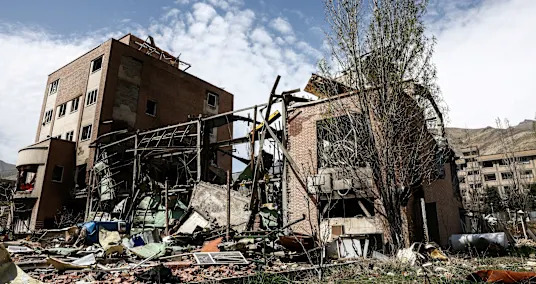
In Tehran, a city of nine million people, schools are closed, businesses are shuttered or struggling, and locals are living without a functioning air-raid warning system or public shelters. In many areas, the first sign of an incoming strike is the explosion itself.
There have been twice as many US and Israeli attacks on Iran compared to the number of Iranian retaliatory strikes since the war began — and the numbers killed in Iran have been orders of magnitude greater than in the neighboring Gulf states. A nationwide internet blackout, now entering its second month, has left civilians unable to access information about safety, shelter, and food and has meant some are unable to work. But while millions have fled Iran’s cities, many more are staying where they are. Some residents are hoping the US and Israeli bombs will cause the regime to collapse; others are left wondering if they are at risk if their neighbors are targeted.
For the many Iranians with ties to Dubai, there are other pressures, with Iranian nationals now barred from entering or transiting through the UAE. Residency permits, even for those with long-term Golden Visas, are reportedly being revoked without notice.

LATEST POSTS
- 1
 Step by step instructions to Show Children the Significance of Appropriate Handshaking
 - 2Purchases of iPhone 17 Pro soar across Gaza amid 'limited' humanitarian aid
- 3Kate Hudson, 46, says she doesn't need long workouts to feel good
- 4'Stranger Things' series finale trailer shows Hawkins gang gearing up for last battle with Vecna
- 5Google's proposed data center in orbit will face issues with space debris in an already crowded orbit


- Vote In favor of Your #1 sort of film
- Shrewd Home Gadgets to Save Energy
- What causes RFK Jr.’s strained and shaky voice? A neurologist explains this little-known disorder
- Palestinians tell BBC they were sexually abused in Israeli prisons
- 10 Hints for a Fruitful New employee screening
- Striking American and European television Projects: A Survey
- Top 20 Wellbeing and Wellness Applications for a Sound Way of life
- UK, Canada, Germany, others condemn Israel's West Bank settlement plan
- 5 Different ways Macintosh is Prepared to Overwhelm Gaming, Even Against Windows