
Tehran criticized the International Atomic Energy Agency (IAEA) in strong terms on Monday for inaction after repeated US and Israeli attacks near Iran's sole nuclear power plant.
In a letter to IAEA Director General Rafael Grossi, Iran’s Atomic Energy Organization chief Mohammad Eslami criticized him for failing to condemn the latest attack near the Bushehr nuclear power plant strongly enough.
This could encourage the “aggressors” to repeat these attacks, Eslami wrote, according to a report by the state-run news agency IRNA.
In Saturday's attack near the nuclear power plant in the south of the country, a member of the security staff was killed and an ancillary building was damaged. No damage was reported to the nuclear power plant itself.
But this is the fourth time since Israel and the US began the war in late February that a projectile has struck near the nuclear power plant or its premises.
The facility is Iran’s only nuclear power plant and is located about 760 kilometres south of Tehran on The Gulf. Its Russian-designed reactor has been generating electricity since 2011. The Russian state-owned nuclear company Rosatom is currently building a second reactor unit.
LATEST POSTS
- 1
 Disability rights activist and author Alice Wong dies at 51
 - 2Rediscovering Euphoria: Individual Accounts of Conquering Despondency
- 35 things for parents to know about changes to kids vaccine schedule
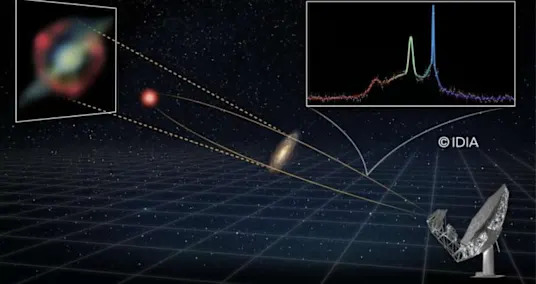
- 4Record-breaking 'space laser' erupts from merging galaxies 8 billion light-years away
- 5Want to read more in 2026? Here's how to revive your love of books



- The most effective method to Pick the Ideal Shrewd Bed for Your Special Rest Needs
- An Extended time of Self-Reflection: Self-awareness through Journaling
- Bombardier Global 8000 Enters Service
- The secret appeal of Harlan Coben’s messy, addictive TV thrillers
- Malaysia To Revive Search for Missing Flight MH370
- 7 Powerful Methods for forestalling Telephone Overheating: Keep Your Gadget Cool
- Police break up illegal chicken slaughter in Germany
- Volcanic eruption led to the Black Death, new research suggests
- In Antarctica, photos show a remote area teeming with life amid growing risks from climate change