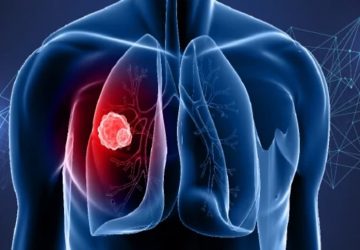
Instructions to Figure out the Various Phases of Cellular breakdown in the lungs

Disease organizing offers a normalized technique to evaluate the size of a cancer and the level of its spread. For cellular breakdown in the lungs, fathoming these stages furnishes the two patients and medical care suppliers with an unmistakable system for therapy choices and guess. We should investigate the ramifications of each stage for cellular breakdown in the lungs.
**Stage 0 (Carcinoma in Situ):**
At this underlying stage, unusual cells are available however confined, meaning they have not yet attacked encompassing lung tissues or metastasized to different region of the body.
**Understanding Carcinoma in Situ:** This stage addresses the earliest type of malignant growth, with not all cases advancing to obtrusive disease. Continuous checking is significant for early location of any likely progression.
**Treatment Options:** Careful expulsion of the strange cells is normally the essential treatment, with laser or photodynamic treatment thought about in certain occurrences.
**Stage I:**
At this stage, the disease stays bound to the lungs and has started intrusive development without influencing the lymph hubs. This stage is additionally sorted in light of growth size and area:
- **Stage IA:** The cancer compares 3 cm.
- **Stage IB:** The cancer surpasses 3 cm however is under 4 cm and may include the primary bronchus or the lung's deepest layers.
**Treatment Implications:** Medical procedure is in many cases the essential strategy, with chemotherapy suggested if vital.
**Stage II:**
The disease has expanded in size or has spread to local designs or lymph hubs.
- **Stage IIA:** The growth is between 4 cm and 5 cm and may have spread to local lymph hubs.
- **Stage IIB:** The growth is bigger and may include bits of the lung's external surface, stomach, or related lymph hubs.
**Therapy Choices:** Careful mediation stays focal, with potential adjuvant treatments like chemotherapy or radiation in view of cancer qualities.
**Stage III:**
This stage shows huge spread inside the lungs and potentially to encompassing tissues.
- **Stage IIIA:** The cancer has reached out to lymph hubs in the chest, remembering those for the contrary side or over the collarbone.
- **Stage IIIB:** The disease has attacked basic designs like the heart, windpipe, or throat.
- **Stage IIIC:** The illness influences various imperative regions and lymph hubs.
**Therapy Strategies:** A mix of a medical procedure, chemotherapy, and radiation is normally utilized, with designated treatments thought about in view of the cancer's hereditary profile.
**Stage IV:**
In this cutting-edge stage, disease has widely metastasized, possibly influencing far off organs.
**Understanding Metastasis:** At this stage, cellular breakdown in the lungs cells might be available in bones, liver, or even the mind. The focal point of treatment shifts from healing to palliative, pointed toward working on personal satisfaction and lightening side effects.
**Treatment Options:** Vital to this stage are chemotherapy, designated treatments, immunotherapies, and palliative consideration. The methodology is focused on overseeing sickness side effects and guaranteeing patient solace.
Explaining the phases of cellular breakdown in the lungs lays out a central design that illuminates treatment choices and visualization conversations. As patients progress through these stages, therapy plans become more customized, taking into account disease movement as well as individual wellbeing, age, and patient inclinations.
**Stage 0 (Carcinoma in Situ):**
At this underlying stage, unusual cells are available however confined, meaning they have not yet attacked encompassing lung tissues or metastasized to different region of the body.
**Understanding Carcinoma in Situ:** This stage addresses the earliest type of malignant growth, with not all cases advancing to obtrusive disease. Continuous checking is significant for early location of any likely progression.
**Treatment Options:** Careful expulsion of the strange cells is normally the essential treatment, with laser or photodynamic treatment thought about in certain occurrences.
**Stage I:**
At this stage, the disease stays bound to the lungs and has started intrusive development without influencing the lymph hubs. This stage is additionally sorted in light of growth size and area:
- **Stage IA:** The cancer compares 3 cm.
- **Stage IB:** The cancer surpasses 3 cm however is under 4 cm and may include the primary bronchus or the lung's deepest layers.
**Treatment Implications:** Medical procedure is in many cases the essential strategy, with chemotherapy suggested if vital.
**Stage II:**
The disease has expanded in size or has spread to local designs or lymph hubs.
- **Stage IIA:** The growth is between 4 cm and 5 cm and may have spread to local lymph hubs.
- **Stage IIB:** The growth is bigger and may include bits of the lung's external surface, stomach, or related lymph hubs.
**Therapy Choices:** Careful mediation stays focal, with potential adjuvant treatments like chemotherapy or radiation in view of cancer qualities.
**Stage III:**
This stage shows huge spread inside the lungs and potentially to encompassing tissues.
- **Stage IIIA:** The cancer has reached out to lymph hubs in the chest, remembering those for the contrary side or over the collarbone.
- **Stage IIIB:** The disease has attacked basic designs like the heart, windpipe, or throat.
- **Stage IIIC:** The illness influences various imperative regions and lymph hubs.
**Therapy Strategies:** A mix of a medical procedure, chemotherapy, and radiation is normally utilized, with designated treatments thought about in view of the cancer's hereditary profile.
**Stage IV:**
In this cutting-edge stage, disease has widely metastasized, possibly influencing far off organs.
**Understanding Metastasis:** At this stage, cellular breakdown in the lungs cells might be available in bones, liver, or even the mind. The focal point of treatment shifts from healing to palliative, pointed toward working on personal satisfaction and lightening side effects.
**Treatment Options:** Vital to this stage are chemotherapy, designated treatments, immunotherapies, and palliative consideration. The methodology is focused on overseeing sickness side effects and guaranteeing patient solace.
Explaining the phases of cellular breakdown in the lungs lays out a central design that illuminates treatment choices and visualization conversations. As patients progress through these stages, therapy plans become more customized, taking into account disease movement as well as individual wellbeing, age, and patient inclinations.
LATEST POSTS
- 1
 Ancient mass grave discovered in water cistern during Tel Azekah excavations
 - 2AfD faction in western Germany ousts councilman for firebrand speech
- 3Army commander convicted of Guinea stadium massacre dies in prison
- 4'Euphoria' releases Season 3 trailer, premiere date: Watch Rue and Laurie finally face off
- 5$1,000 bribes, Mormon momfluencer mixers and making content to get plastic surgery: The wildest things I learned reporting my book





- Find the Abilities Required for Advanced Advertising Position
- More than 3 million eye drops have been recalled from CVS, Walgreens and other national retailers. How to check if yours are safe
- One third of Spanish pork export certificates blocked since swine fever outbreak, minister says
- Takeda's AI-crafted psoriasis pill succeeds in late-stage studies
- The most effective method to Perceive the Early Side effects of Cellular breakdown in the lungs
- What are parents to do as doctors clash with Trump administration over vaccines?
- Met Gala 2026 will celebrate fashion as an 'embodied art form': A guide to the theme, dress code, cochairs and hosting committee of the starry event
- How we came to be: Scientists get first look at the evolution of early complex animals
- The Response to Fake General Knowledge: Investigating the Eventual fate of artificial intelligence